Biometric modalities for security licensing
Security isn’t a gadget; it’s a posture I see in practice every day. In South Africa’s busy licensing offices, biometric for security license reshapes how identities are verified under pressure, where seconds count and errors sting. This shift isn’t about flashy tech; it’s about trust and responsibility.
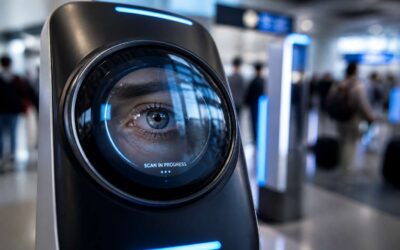
Biometric modalities that authorities weigh include several approaches, each with a distinct balance of speed, accuracy, and privacy.
- Fingerprint recognition
- Iris recognition
- Facial recognition with anti-spoofing safeguards
- Voice recognition with liveness checks
In practice, choosing among these modalities is a moral calculation as much as a technical one. For SA, public trust matters; the right biometric for security license respects consent, minimizes bias, and strengthens governance.
Regulatory and compliance landscape for biometric licensing
Trust is the quiet engine behind any biometric for security license program. In South Africa, the Information Regulator keeps the pace, insisting that biometric processing respect consent and purpose. POPIA sets the guardrails: data minimization, transparency, subject access, and secure handling of biometric data.
Regulatory landscape focuses on accountability, breach notification, cross-border transfers, and retention schedules.
- Explicit consent and purpose specification for biometric data
- Data minimization and defined retention periods
- Strong security measures: encryption, access controls, and audit trails
- Ongoing accountability, DPIAs, and regulator audits
This framework shapes a responsible approach to biometric for security license.
Security architecture and lifecycle for biometric licensing systems
“Security is a journey, not a destination,” says the chief architect. The journey begins with a fortress mindset: immutable logs, zero-trust access, and tamper-evident data flows. For biometric for security license programs, the architecture must endure from enrollment to retirement, binding identity to policy with quiet, relentless precision.
Key lifecycle stages ensure continuity and resilience:
- Design and integration with defense-in-depth controls
- Secure enrollment, template management, and revocation
- Ongoing monitoring, audits, and decommissioning
Behind the scenes, a resilient lifecycle relies on defense-in-depth, continuous attestation, and disciplined decommissioning. Telemetry from systems feeds risk scoring, while rigid access controls and encrypted storage keep sensitive templates safe as operations scale across South Africa.
Privacy ethics and user experience in biometric licensing
“Privacy is not a feature, it’s the operating system of trust.” In biometric for security license programs, privacy ethics steer design from enrollment to retirement, binding identity to policy with quiet, relentless respect for user agency. In South Africa, data minimization and clear consent are baseline requirements, not afterthought add-ons.
User experience should feel seamless, not a maze.
- Transparency about data use and retention
- Easy, reversible consent and control
- Accessible, language-inclusive interfaces
When ethics lead, systems feel safer, more compliant, and less prone to friction. In the end, the user experience becomes the quiet advocate for security.


0 Comments