Biometric authentication in smart home security
Overview of biometric technologies in residential security
“Your face can be your key,” a security expert notes. Biometric authentication is reshaping how we enter our spaces, turning keys into signals carried with you. In the realm of biometric home security, residential systems blend fingerprint scanners, facial recognition, and voice cues with smart locks to guide access with quiet efficiency.
Biometric technologies at home include:
- Fingerprint sensors on smart locks
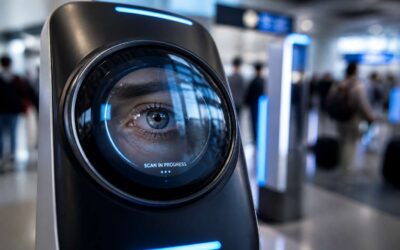
- Facial recognition with 3D imaging
- Voice-based authentication and wake-word cues
- Iris or retinal-inspired imaging
These features reduce the need for physical keys while preserving privacy. Most systems process data on-device and store encrypted templates, so a breach reveals only patterns, not credentials. In South Africa, offline functionality and robust hardware further shape biometric home security.
The evolving landscape of biometric home security invites reflection on ethics and accessibility. Technology and trust must walk together as households adapt.
Fingerprint sensors vs facial recognition in home devices
Across South Africa, biometric home security adoption has surged 37% last year, underscoring a shift from metal keys to signals carried on your person. Your fingerprint or face is becoming your front-door credential, earning a quiet, dutiful respect from households and landlords alike.
Fingerprint sensors on smart locks deliver lightning-fast verification and perform reliably in local conditions—heat, dust, and the occasional uncooperative finger. I admit, hands-free mornings have their charms. Facial recognition with 3D imaging reads you from a distance, even with pockets full of worry. It adds hands-free convenience but stirs discussions about privacy and bias, a central concern in biometric home security.
- Fingerprint sensors excel in speed and offline operation
- 3D facial recognition raises fewer false positives but invites privacy considerations
- On-device processing with encrypted templates protects biometric data
Voice, iris, and behavioral biometrics: where they fit
Following a 37% surge in South Africa, biometric home security has shifted from novelty to necessity, narrowing the distance between door and trust. Voice, iris, and behavioral biometrics enter as the quiet chorus behind your entrance—less about hardware, more about your living signature.
Voice prints, iris patterns, and behavior create layered identity without handing you a physical key. They fit neatly into everyday routines, from hands-full mornings to late-night returns. Consider these use-cases:
- Voice biometrics for seamless access during busy mornings or when groceries crowd your arms.
- Iris recognition for high-security zones where touch is impractical.
- Behavioral biometrics for continuous authentication, observing you as you move through rooms.
On-device processing keeps your biometric templates encrypted and private, a sentinel at the edge of your router. This is a cornerstone of biometric home security, a trio that respects privacy while standing guard through sun and dust in SA homes.
Choosing the right biometric method for doors and surveillance
Amid South Africa’s smart-home awakening, biometric authentication is no longer a novelty—it’s a doorway to trust. A 37% surge in SA adoption signals a quiet revolution, turning entryways into living signatures rather than keys. This shift embodies biometric home security, a term that travels from gadget blogs into kitchen entrances and lounge doors, letting households glide through with ease while keeping intruders at bay.
Choosing the right biometric method for doors and surveillance means balancing ease with assurance. Prioritise environments and routines: the system should be fast at the door and subtle around high-traffic zones. Edge processing keeps templates encrypted at the edge.
- Environmental durability and user flow
- Enrollment simplicity and maintenance
- Privacy controls and update cadence
Together, these threads weave a home that stays vigilant without shouting for attention.
Common setup challenges and user considerations
Biometric home security has moved from gadget blogs to kitchen doorways, and South Africa’s 37% uptick proves households are embracing living signatures over jangling keys. It’s no mere convenience; it’s a quiet assertion that your front door knows you—and conducts itself with poise.
Common setup challenges and user considerations span enrollment, device placement, and privacy. The best systems offer fast recognition at the threshold while remaining discreet in high-traffic zones. Expect things like firmware updates, hub compatibility, and robust privacy controls to shape your daily ritual.
- Enrollment simplicity and speed
- Device compatibility and network requirements
- Privacy controls and data retention
- Maintenance cadence and update transparency
With these threads woven, households enjoy security that is confident yet courteous—an edge of caution without grandstanding.
Advantages and ROI of biometric access in residences
Improved access control and convenience
In South Africa, 68% of homeowners say their confidence in home security rose after adopting biometric access. Biometric home security isn’t just tech; it’s a doorway to calmer evenings and safer mornings, especially in rural towns where every moment counts when kids head to school or deliveries arrive at dusk!
Advantages are tangible: faster entry for trusted family and service providers, no more rummaging for keys, and cleaner logs of who came and went—it’s trust built into the door.
- Enhanced access control for all households, with fast authentication at the door
- Elimination of key carry and the risk of lost keys
- Detailed activity records to resolve issues quickly
ROI comes from fewer locksmith calls, lower break-in risk, and potential insurance discounts as risk improves. Over time, these savings compound, making it a prudent choice for families who value security and ease.
Enhanced privacy and data protection considerations
Biometric home security offers more than convenience; it reshapes how we think about privacy at the door. In South Africa, 68% of homeowners say their security confidence rose after adopting biometric access, a signal that trust is built into every door. Enhanced privacy and data protection aren’t afterthoughts—biometric systems now emphasize local processing, encryption, and clear data controls that let you opt out if needed.
Practical perks include faster entry for trusted family and service providers, no more key rummaging, and verifiable logs.
- Enhanced privacy and data protection through local processing, encryption, and user consent controls
- Fast authentication for trusted family and service providers
- Clear audit trails to resolve issues quickly
ROI comes from fewer locksmith calls, reduced break-in risk, and potential insurance discounts as security improves. Over time, these savings compound, making biometric home security a prudent choice for families who value security and ease.
- Fewer locksmith and emergency service calls
- Lower risk of property loss due to breaches
- Potential insurance premium reductions
Cost of ownership, maintenance, and long-term savings
South Africa’s security stats bite back: 68% of homeowners say their peace of mind rose after biometric access. The ROI of biometric home security isn’t a gimmick—it means fewer locksmith visits, quicker entry for trusted folk, and that nagging suspicion you’ve tamed the door with digital charm. The cost of ownership blends upfront hardware with ongoing maintenance and firmware updates that keep the system sharp without turning you into a full-time IT person.
- Predictable maintenance costs (batteries, sensors, occasional calibrations)
- Scalability to add family members or service providers without rekeying
- Local processing and encryption that reduce ongoing cloud fees
Over time, the long-term savings accrue: lower incident risk, smoother day-to-day access management, and potential insurance premium reductions as biometric home security strengthens your overall resilience.
Impact on home insurance and security posture
Biometric home security isn’t merely a gadget; it’s a quiet guardian over our doors. In South Africa, 68% of homeowners report greater peace of mind after biometric access, and the ROI appears in fewer locksmith visits and faster, trusted entry for family and service providers.
- Lower incident risk due to precise verification
- Smoother access for trusted people without rekeying
- Predictable maintenance and reduced cloud fees via local processing
On insurance and security posture, South African insurers are beginning to attach tangible discounts to biometric home security setups, driven by robust audit trails and tamper alarms. A stronger security posture also means fewer wakeful nights and a better overall risk profile, reinforcing why biometric home security remains a compelling pillar of residential resilience.
Security risks, privacy, and compliance in biometrics
Data storage, encryption, and local vs cloud processing
Every knock on the door sounds different when your identity opens it. Biometric home security promises elegance and ease, yet it carries a subtler risk—the data trail left by our most intimate traits. In South Africa, POPIA frames this story, urging deliberate handling, transparent purpose, and robust safeguards for biometric cues.
Data storage and processing choices shape who holds power over sensitive identifiers. On-device processing reduces exposure, while strong encryption protects data in transit and at rest.
- On-device processing reduces exposure by keeping templates locally.
- End-to-end encryption protects data in transit and at rest.
- Clear data minimization and retention aligned with POPIA and consent.
Privacy and compliance demand ongoing oversight from homeowners and providers; ensure transparency, data minimization, and retention limits. When done with care, biometric home security can feel intimate and inviolable.
Spoofing, circumvention, and anti-spoofing measures
A piercing insight cuts through the cloak of security: a forged cue can unlock where trust should be. In biometric home security, spoofing and circumvention haunt the hallway, from counterfeit fingerprints to voice-synthesis gambits. When liveliness and context checks lag, the house becomes a doorway for silent intruders.
Privacy and compliance are the compass. In South Africa, POPIA insists on transparency, purpose limitation, and retention boundaries—reshaping how homeowners and providers share responsibility. Data minimization and informed consent anchor trust, while governance that flags anomalies keeps the system honest rather than brittle.
- liveness detection intensifies the barrier against spoofed cues
- multi-modal verification adds depth beyond a single trait
- robust audit trails ensure accountability without exposing personal details
When framed by duty and foresight, the approach can feel both intimate and inviolable.
User consent, shared access, and guest management
Biometric home security walks a fine line between comfort and exposure. The most intimate cues—fingerprints, voices, faces—can unlock more than doors when liveliness checks lag. Privacy becomes the compass, guiding what data travels, how long it stays, and who can see it.
User consent, shared access, and guest management are not formalities; they are the living contract keeping the home human. In a multi-layer system, clear permissions and revocation rights sustain trust across every entryway.
- Clear consent and data purpose for biometric home security
- Granular shared access with revocation
- Thoughtful guest code management
POPIA in South Africa enforces transparency, purpose limitation, and retention boundaries, anchoring governance to anomalies rather than brittle promises. When data minimization and informed consent guide processing, this approach becomes a disciplined ally rather than a reckless flourish.
Regulatory standards and privacy laws affecting biometrics
Miracles like automatic doors and seamless entry tempt us—yet a single lagging liveliness check can turn a dream into exposure. In South Africa, privacy matters more than a late-night alert; security isn’t just hardware, it’s a mindful pact with your data. biometric home security should be about governance as much as gadgets.
Privacy and compliance hinge on clear data purpose, minimization, and explicit consent. Data should be stored locally when possible, encrypted at rest, and accessible only to authenticated systems. International transfers require POPIA-aligned governance and careful cross-border handling.
- POPIA: transparency, purpose limitation, and retention boundaries
- ISO/IEC 27001 information security controls and privacy management
- GDPR considerations for any global biometric data flows
Choose vendors who bake privacy by design: on-device processing, robust access controls, and auditable revocation. Add anti-spoofing and live checks to harden defenses, so the promise remains a shield rather than a siren.
Backup access methods and fail-safes
Biometric home security promises seamless entry, yet a lone fallback can turn a dream into exposure. In South Africa, privacy matters as much as a late-night alert, and breach scenarios often hinge on weak backups or ambiguous data flows. Systems should minimize data, store locally when possible, and encrypt at rest, with strict authenticated access.
- Local fallback credentials (PINs or smart cards) that unlock if biometrics fail
- Mechanical key overrides or tamper-evident access devices
- Temporary, revocable access tokens for guests, with time limits
Backup access methods and fail-safes must be layered, resilient, and auditable. Privacy-by-design thinking—on-device processing, robust access controls, and revocation logs—keeps identities in the homeowner’s control. POPIA-aligned governance and careful cross-border handling are non-negotiable as biometric data flows go global.
Vendor selection matters: prioritize privacy by design, anti-spoofing, and live checks that resist deception. The aim of biometric home security is to shield property and people without turning data into a liability.
Implementation and deployment best practices
Assessing your home’s readiness and selecting devices
Across South Africa, readiness determines outcomes: a smart entry system should feel like a familiar welcome, not a puzzle. Biometric access, when implemented thoughtfully, streamlines daily life while keeping intrusions at bay. As you map doors, gates, and key routes, you glimpse a future where visitors are greeted swiftly and your privacy is respected by design.
- Start with a home assessment: identify primary entry points and usage patterns.
- Ensure stable power and reliable connectivity in your area to support readers.
- Prefer devices that can scale with guests, service staff, and future home automation.
Careful device selection means matching sensors to doors, gates, and interior zones, weighing privacy, offline options, and local regulations. When the plan aligns with South African households, biometric home security becomes a trusted ally—swift, discreet, and ready to grow with your family.
Integration with existing smart home ecosystems
Implementation and deployment comes alive when the system feels invisible yet invincible. In every SA doorway, the best setups blend speed and discretion. biometric home security should respond like a familiar handshake—swift, respectful, and private.
Start by aligning with your existing network: ensure stable power and reliable connectivity, and favor devices that gracefully scale for guests or service staff.
Consider these practical steps:
- Choose devices with offline or local processing modes
- Plan guest and temporary access workflows
- Verify integration with your current smart home hubs
Done well, the deployment becomes a quiet guardian that respects privacy while inviting family and guests to move through your doors.
Installation tips, professional vs DIY, and warranties
Across South Africa, biometric home security solutions are transforming entryways into quiet guardians—swift to read you, slower to mistake you. The aim is a system that feels invisible yet invincible, where doors respond like a familiar handshake and privacy remains intact.
Implementation and deployment benefits come alive when installation options and warranty terms are weighed in a calm, informed tone.
- Professional installation offers certified cabling, tested integrations, and robust support.
- DIY can lower upfront costs but may require more self-reliance on privacy and software updates.
- Warranties should cover hardware, sensors, and firmware, with clear service levels and data handling commitments.
With thoughtful design choices, the system becomes a dependable, quiet sentinel that respects privacy while welcoming family and guests.
Maintenance, updates, and monitoring for reliability
In the quiet between sunset and security, biometric home security stands as a patient, unseen guardian. The truth about reliability is simple: updates breathe life into the system, calibration stays true, and monitoring never slumbers. Doors read like familiar hands, but only when sensors stay honest. A well-tended network becomes the backbone of trust, turning potential fear into quiet assurance.
- Regular firmware updates and software patches
- Health checks for sensors and batteries
- Encrypted data transmission and secure access controls
- Real-time alerting and logs review
Maintenance, updates, and monitoring keep the vigil unbroken. For biometric home security, ongoing oversight is less drama and more architecture—steady, invisible, and resilient.
Future-proofing and scalability considerations
Implementation and deployment unfold like a measured rite, guiding homes through a seamless dawn. Begin with a phased rollout, secure onboarding of devices, and a cautious test period in a controlled zone. Favor modular sensors that accept remote updates, and ensure compatibility with local support networks in South Africa. This disciplined approach minimizes downtime and protects the essence of biometric home security.
Key steps in deployment.
- Secure pairing and authentication as a design principle
- Role-based access controls and auditability
- Failover planning and local processing as defaults
Future-proofing means modular hardware, upgradeable firmware, and cloud-edge harmony that grows with a home’s needs, while safeguarding data sovereignty and privacy.


0 Comments