Understanding Biometric Security
Definition and Types of Biometrics – Overview of biometric authentication methods such as fingerprint, facial recognition, iris scans, and voice recognition
Biometric security has revolutionized the way we protect our most sensitive information, but the question remains: why is biometric security so difficult to defeat? At its core, biometric authentication relies on unique physiological or behavioral traits—traits that are inherently difficult to replicate or forge. This makes it an attractive line of defense in a landscape riddled with increasingly sophisticated cyber threats.
Understanding the different types of biometrics reveals why they are so resilient. From fingerprint scans to facial recognition, iris scans, and voice recognition, each method leverages distinct biological features. For example, fingerprint technology taps into the intricate ridges and valleys unique to every individual, while iris scans analyze complex patterns in the colored part of the eye. Voice recognition, on the other hand, captures vocal nuances that are impossible to mimic precisely. These methods collectively create a layered barrier, making it incredibly challenging for hackers to bypass biometric security.
- Fingerprint authentication
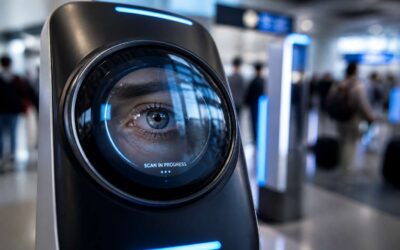
- Facial recognition systems
- Iris scan technology
- Voice recognition systems
What makes these biometric modalities so compelling is their combination of biological uniqueness and advanced detection algorithms. This synergy explains why biometric security remains one of the most formidable defenses against unauthorized access, especially in high-stakes environments across South Africa and beyond.
How Biometric Systems Work – Explanation of biometric data capture, feature extraction, template creation, and matching process
Biometric security isn’t just fancy tech; it’s a fortress built on the premise that your biological traits are one-of-a-kind—think of it as your personal fingerprinted signature on security. But how does it actually work behind the scenes? Well, it all starts with capturing your biometric data—be it a fingerprint, iris pattern, or voiceprint—using specialized sensors that translate these traits into digital signals. This initial step is crucial because if the data isn’t accurately captured, the entire process risks being compromised.
Next comes feature extraction, where advanced algorithms sift through the raw data to identify distinctive markers—like the ridges on your fingertips or the unique folds of your iris. These features are then transformed into a biometric template—a digital representation of your traits—that acts as your security passport. When you attempt to authenticate, the system performs a matching process, comparing your live biometric sample against stored templates to verify your identity. The accuracy of this matching process is what makes biometric security so difficult to defeat—because even the tiniest variation can be detected, preventing imposters from slipping through.
To put it simply, biometric authentication hinges on multiple layers of complex processes—each designed to outsmart fraudsters—making it exceptionally resilient. This sophisticated dance of data capture, feature extraction, and matching is why biometric security remains one of the most formidable defenses against hacking and unauthorized access, especially in high-stakes environments within South Africa and beyond. The question of why is biometric security so difficult to defeat? Because it leverages biological uniqueness coupled with cutting-edge algorithms, creating a barrier almost impossible to breach without your biological blueprint.
Why Biometric Security Is Intrinsically Difficult to Defeat
Unique Biological Traits – The distinctiveness of individual biometric markers that reduce replication risks
Biometric security stands as a fortress built upon the bedrock of our unique biological traits, making it remarkably difficult to defeat. Each individual’s biometric markers—be it fingerprints, iris patterns, or voice signatures—possess a level of distinctiveness so profound that replication borders on myth. This natural rarity transforms biometric authentication from mere technology into an almost enchanted barrier against intrusion. The secret lies in the inherent complexity of biological data, which cannot be easily forged or duplicated without specialized knowledge and equipment.
Furthermore, the intrinsic variability within a person’s biometric traits acts as a formidable defense. Even subtle changes—such as a scar on a fingerprint or a slight shift in iris coloration—are captured in real-time, ensuring that biometric systems adapt and remain vigilant. This dynamic nature of biological markers minimizes the risk of successful deception. When contemplating why is biometric security so difficult to defeat, one must recognize that this complexity and uniqueness create a nearly impenetrable barrier—one that only the most sophisticated methods can challenge. It’s as if each person’s biological signature is a secret code written by nature itself, guarding personal data with unparalleled fidelity.
Liveness Detection Techniques – Methods used to ensure data is captured from a live person, not a fake or spoofed sample
Biometric security’s resilience often hinges on a sophisticated layer known as liveness detection. This technology acts as a vigilant gatekeeper, ensuring that the biometric sample is genuinely from a living person—not a mere replica or a high-quality fake. In a world where advanced spoofing techniques threaten to undermine digital safety, liveness detection becomes the ultimate deterrent. It scrutinizes subtle cues—such as eye movement, blood flow, or skin elasticity—that are impossible to mimic convincingly without specialized equipment.
Why is biometric security so difficult to defeat? The answer lies in the relentless pursuit of authenticity. Modern liveness detection methods incorporate multi-faceted checks, making deception a near-impossible feat for hackers. For example, some systems require users to perform specific actions—like blinking or turning their head—while others analyze micro-movements or thermal signatures. These layers of verification serve as a formidable barrier, rooted in biological complexity that cannot be easily simulated. It’s as if biometric security has evolved to read the very essence of life itself, leaving impersonators stranded in a web of technological ingenuity.
- Real-time analysis of biometric signals
- Detection of micro-movements and physiological cues
- Multi-layered verification processes
In essence, liveness detection transforms biometric security from a static barrier into a dynamic fortress. It leverages the inherent unpredictability of biological processes, which are constantly changing and impossible to duplicate precisely. This intrinsic variability, combined with advanced detection techniques, makes it clear why is biometric security so difficult to defeat—because it taps into the fundamental, uncontrollable aspects of human life itself.
Continuous Authentication – Real-time verification that makes unauthorized access more difficult
In the relentless dance between security and intrusion, biometric systems stand as resilient sentinels—guardians rooted in the very fabric of human biology. The question often whispered in the corridors of cybersecurity is: why is biometric security so difficult to defeat? The answer lies in its intrinsic reliance on the unpredictable and unreplicable nuances of human life. Unlike static passwords or PINs, biometric verification operates in real-time, capturing the fleeting symphony of physiological signals that define us. This continuous authentication transforms security from a mere barrier into an ever-vigilant fortress, constantly adapting to the subtle shifts and rhythms of individual biological traits.
What makes this fortress nearly impenetrable is the multifaceted nature of biometric verification. It’s not just a single point of identity, but a complex web woven from micro-movements, thermal signatures, and blood flow patterns—elements that are inherently unique and exceedingly difficult to spoof. Systems often employ layered checks, such as:
- Real-time physiological cues analysis
- Micro-movements detection
- Thermal imaging for blood flow verification
Each layer acts as an added line of defense, making deception a near-impossible feat for even the most skilled impersonators. This multifarious approach leverages the biological complexity that underpins human existence, rendering the act of counterfeiting not only technically challenging but also fundamentally futile. The question, thus, becomes less about if biometric security can be defeated, and more about how it continuously adapts to thwart those who try. The answer is rooted in the relentless pursuit of authenticity—an unyielding quest that leaves intruders stranded in a web of technological ingenuity, forever chasing the elusive essence of real life itself.
Robust Security Features of Biometric Systems
Encryption and Secure Storage – How biometric data is protected through encryption and secure repositories
Biometric security systems are often hailed as the pinnacle of modern authentication, but a key reason why is biometric security so difficult to defeat lies in their robust encryption and secure storage protocols. This isn’t just about capturing a fingerprint or face; it’s about safeguarding that data at every stage. Advanced encryption algorithms scramble biometric templates, making unauthorized access virtually impossible even if the data is intercepted.
Furthermore, biometric data is stored in secure repositories that employ multiple layers of protection. These repositories are designed with tamper-evident features and access controls, ensuring that even sophisticated cyberattacks struggle to breach them. To enhance security, many systems utilize techniques such as hardware-based security modules (HSMs) and biometric hashing, which add an extra layer of complexity for potential intruders.
In fact, the combination of encryption and secure storage is why is biometric security so difficult to defeat. It creates a formidable barrier that keeps biometric identifiers safe, making fraudulent replication or hacking attempts exceedingly challenging for cybercriminals. This integrated approach is what makes biometric security a resilient line of defense in today’s digital landscape.
Template Non-reversibility – Biometric templates cannot be reversed to recreate the original biometric data
Biometric systems aren’t just about scanning a fingerprint or analyzing a face; they’re built to be fortress-like, especially when you ask, “why is biometric security so difficult to defeat?” One of their secret weapons is the non-reversibility of biometric templates. This clever feature ensures that even if cybercriminals manage to access the stored data, they can’t reverse-engineer it into the original biometric image. Think of it as a one-way street—data flows in, but never back out in a usable form.
Unlike passwords that can be guessed or stolen, biometric templates are designed with intricate algorithms that scramble the data into a format that’s practically indecipherable. This means that replicating someone’s fingerprint or iris from the stored template is akin to trying to recreate a masterpiece from a single brushstroke—impossible without the original. This non-reversibility is a core reason why is biometric security so difficult to defeat, making it a resilient barrier against hacking attempts.
Adding to this complexity are layered protections like advanced hashing techniques and hardware security modules (HSMs). These tools serve as digital safes, ensuring that even if someone breaches the outer defenses, they’re confronted with a labyrinth of encryption and tamper-evident safeguards. So, when pondering why is biometric security so difficult to defeat, remember: it’s not just about capturing data; it’s about rendering that data useless to anyone but the rightful owner. Now that’s security with a twist of genius!
Multi-factor Authentication – Combining biometrics with other security measures to enhance protection
In a world where cyber threats evolve at an alarming pace, understanding why is biometric security so difficult to defeat becomes more crucial than ever. The sophistication of these systems is rooted in their multi-layered protection strategies, which go far beyond simple fingerprint scans or facial recognition. One of the most compelling reasons lies in their use of multi-factor authentication, combining biometrics with other security measures to create an almost impenetrable barrier.
By integrating biometric data with elements such as smart cards, PINs, or security tokens, these systems elevate security from a single point of failure to a complex web of verification. For instance, a fingerprint alone might be compromised, but when paired with a one-time password transmitted via a secure device, the odds of unauthorized access plummet. This layered approach ensures that even if one factor is compromised, the entire system remains resilient.
Furthermore, advanced encryption protocols and tamper-evident hardware add another dimension of security, making it exceedingly difficult for cybercriminals to bypass the system. In fact, some biometric systems employ ordered security measures such as:
- Biometric verification
- Encrypted data transmission
- Hardware security modules (HSMs)
- Continuous authentication processes
All these elements work synergistically, amplifying why is biometric security so difficult to defeat. The seamless fusion of biometric traits with supplementary layers of protection makes these systems not just a technological marvel but a social safeguard, defending identities in an increasingly interconnected world. Truly, when security is built on such ingenuity, it’s no wonder that biometric systems stand at the forefront of digital resilience!
Challenges in Defeating Biometric Security
High Variability and Error Rates – Impact of intra-person variability and false acceptance/rejection rates
Biometric security might sound like the fortress of the digital age, but even the strongest gates have their Achilles’ heel—namely, high variability and error rates. The core challenge lies in intra-person variability, the natural fluctuations in biometric data from the same individual over time or under different conditions. Ever tried unlocking your phone after a chilly morning? That’s your face playing tricks! Such inconsistency makes it tricky for systems to distinguish genuine from fake, leading to false rejection rates that can frustrate users and compromise security.
On the flip side, false acceptance rates—where a system mistakenly grants access to an impostor—pose another headache for biometric security. When the margin for error widens, so does the risk of unauthorized access. To make matters more complicated, biometric systems often grapple with balancing sensitivity and specificity, which directly impacts why is biometric security so difficult to defeat. A tiny slip in precision can turn a robust system into an open door, making this balancing act a perpetual challenge in the quest for foolproof security.
Technological Countermeasures – Advancements in anti-spoofing, anti-spoofing hardware, and software detection
Advancements in anti-spoofing technology have significantly raised the bar in biometric security, making it increasingly difficult to defeat. Cutting-edge anti-spoofing hardware now detects subtle signs of fake biometric samples, such as lifelike masks or synthetic fingerprints. Software detection algorithms further analyze biometric data in real-time, identifying anomalies that betray spoof attempts. These technological countermeasures create a formidable barrier for anyone attempting to bypass security systems.
Moreover, biometric systems are continuously evolving with multi-layered defenses. For example, liveness detection techniques scrutinize biometric traits for indicators of a live person—like blood flow or eye movement—making it nearly impossible for impostors to fool the system. This layered approach, combining hardware and software, underscores why is biometric security so difficult to defeat. It’s not just about capturing data but ensuring that data originates from a living, genuine individual—an ongoing challenge for potential intruders.
- Implementation of anti-spoofing hardware that uses infrared sensors or 3D imaging to verify depth and texture.
- Deployment of sophisticated software algorithms that analyze biometric signals for signs of artificial reproduction.
- Integration of multi-factor authentication, combining biometrics with PIN codes or security tokens, to further complicate unauthorized access.
All these layers of protection work in concert, making biometric security a resilient fortress in the digital age. Such comprehensive countermeasures illustrate why is biometric security so difficult to defeat, even for the most determined adversaries. As technology advances, so does the sophistication of defenses, ensuring that biometric authentication remains one of the most secure methods available today.
Legal and Ethical Barriers – Legal frameworks and privacy concerns limiting malicious use and hacking attempts
In a world where digital shadows lurk behind every corner, the question lingers—why is biometric security so difficult to defeat? The answer lies not only in cutting-edge technology but also in the labyrinthine legal and ethical barriers that guard our most intimate biological secrets. These frameworks act as invisible fortresses, designed to thwart malicious actors who seek to exploit vulnerabilities.
Legal restrictions in South Africa and around the globe impose strict boundaries on the use and manipulation of biometric data. Such regulations, while sometimes viewed as hurdles, serve a vital purpose: they limit the scope for hacking attempts and prevent the malicious use of biometric information. The fear of severe penalties and reputational damage dissuades would-be intruders from delving into these protected realms.
Furthermore, ethical considerations cast a long shadow over the dark arts of biometric hacking. The sanctity of personal data—especially biological markers—is fiercely guarded by societal norms, making any breach not only technically challenging but morally reprehensible. This moral weight creates an additional layer of resistance for those who might attempt to defeat biometric security systems.
To deepen the labyrinth’s complexity, some biometric systems incorporate layers of protection that are almost insurmountable. For example, multi-factor authentication intertwines biometric data with PIN codes or security tokens, forging a multi-layered defense—an unyielding barrier few can breach. This layered security approach exemplifies why is biometric security so difficult to defeat, as it is not solely reliant on a single point of failure but a symphony of safeguards that resonate with resilience and sophistication.
- Legal frameworks restrict unauthorized access, reducing the risk of hacking.
- Ethical barriers dissuade malicious use by emphasizing the moral implications of breaches.
- Multi-factor authentication creates a labyrinthine security maze that is nearly impossible to navigate without authorization.
In essence, the intersection of law, morality, and technology crafts a formidable barrier—making biometric security a fortress, not a fragile glass. This intricate web of defenses is why is biometric security so difficult to defeat, standing as a testament to our relentless pursuit of safeguarding identity in a shadowed digital age.
Emerging Technologies Enhancing Biometric Security
Multimodal Biometrics – Using multiple biometric modalities simultaneously for higher accuracy
Biometric security has long been hailed as the pinnacle of modern authentication, but the question lingers—why is biometric security so difficult to defeat? The answer lies in the sophistication of emerging technologies that continuously raise the bar against potential intruders. One such marvel is multimodal biometrics, where multiple biometric modalities—think fingerprint, facial recognition, and iris scans—are employed simultaneously. This layered approach creates a labyrinthine challenge for anyone attempting to bypass security, making it vastly more resilient than single-mode systems.
But the innovation doesn’t stop there. Researchers are leveraging advanced anti-spoofing hardware and software detection techniques that can distinguish between a real, live person and a cleverly crafted fake. These technological countermeasures, coupled with real-time continuous authentication, ensure that even if an intruder manages to deceive one layer, another swiftly catches the scent of deception. The cumulative effect? A biometric security system that’s not just tough but practically unbreakable—why is biometric security so difficult to defeat? Because it’s a relentless arms race where technology keeps one step ahead of potential threats.
Artificial Intelligence and Machine Learning – Leveraging AI for adaptive and more sophisticated detection of attacks
Artificial Intelligence (AI) and Machine Learning (ML) have revolutionized the landscape of biometric security, pushing its defenses into uncharted territory. Unlike traditional systems that rely solely on static data, AI-driven solutions adapt dynamically, continuously learning from new attack patterns and evolving threats. This means that biometric security is no longer just about matching a fingerprint or face; it’s about smartly identifying subtle anomalies that might indicate deception.
Leveraging AI allows biometric systems to perform real-time analysis of biometric data, flagging potential spoofing attempts with remarkable precision. For example, sophisticated algorithms can detect minute inconsistencies in facial expressions or skin texture that would escape human eyes. As a result, the question of why is biometric security so difficult to defeat becomes clearer—these systems are constantly evolving, making it an uphill battle for intruders.
- Adaptive learning models that improve detection accuracy over time
- Pattern recognition tailored to identify rare or emerging threats
- Automated responses to suspicious activities, reducing human error
This synergy between AI and biometrics creates an almost impenetrable barrier, where security measures keep pace with, or even stay ahead of, malicious tactics. In the ongoing arms race of cybersecurity, integrating advanced AI techniques ensures that biometric systems remain a formidable obstacle against potential breaches—why is biometric security so difficult to defeat? Because it’s a relentless evolution driven by intelligent algorithms that anticipate and counteract every conceivable attack method.
Blockchain and Distributed Ledger Technologies – Securing biometric data through decentralized and tamper-proof mechanisms
Emerging technologies are transforming the battlefield of biometric security, making it an almost impenetrable fortress. Blockchain and distributed ledger technologies (DLT) stand at the forefront of this revolution. By decentralizing biometric data, these systems create tamper-proof records that are virtually impossible to alter or hack. Unlike traditional databases vulnerable to single points of failure, blockchain ensures that every transaction involving biometric templates is transparent and immutable, elevating the security standard to unprecedented heights.
This revolutionary approach addresses a critical question: why is biometric security so difficult to defeat? It’s because these decentralized mechanisms introduce a layer of trust that malicious actors find nearly impossible to breach. For example, biometric data stored across multiple nodes in a blockchain network requires a coordinated attack on several points simultaneously—a feat that is extraordinarily complex and resource-intensive. This multi-layered defense not only preserves data integrity but also discourages attempts at tampering or unauthorized access.
In addition to blockchain, other innovative tools like secure enclaves and hardware-based tamper-resistant modules are integrated into biometric systems. They work in tandem with distributed ledger solutions to create an almost unbreakable chain of security. When combined with advanced encryption protocols, these technologies render biometric data resistant to hacking, replay attacks, or spoofing—further explaining why biometric security so difficult to defeat in today’s digital landscape.
Expert Insights and Future Outlook
Current Limitations and Threats – Overview of ongoing hacking attempts and vulnerabilities
While biometric security systems are hailed as near-impenetrable fortresses, the reality reveals complex vulnerabilities that keep cybercriminals perpetually on the prowl. Expert insights emphasize that the sophistication of biometric authentication—rooted in unique biological traits and advanced detection techniques—makes outright defeat exceptionally challenging. However, ongoing hacking attempts reveal a persistent undercurrent of threats, exploiting subtle flaws in system design or implementation. For example, some adversaries leverage high-tech spoofing devices to mimic fingerprint or facial recognition data, testing the resilience of anti-spoofing hardware.
Current limitations often stem from the inherent variability in human biological data—what experts call high intra-person variability—leading to false acceptance or rejection. Despite multi-layered security measures like encryption and multi-factor authentication, malicious actors continually refine their tactics. Their efforts include sophisticated replay attacks and the exploitation of vulnerabilities in biometric templates. As AI and machine learning evolve, so does the sophistication of hacking tools, making it crucial to understand why is biometric security so difficult to defeat remains a pivotal question for security professionals worldwide.
Innovations on the Horizon – Future trends and research directions to bolster biometric defenses
Expert insights reveal that the future of biometric security hinges on relentless innovation. Researchers are exploring cutting-edge avenues such as multimodal biometrics, which combines fingerprint, facial recognition, and iris scans into a cohesive defense—making it exponentially harder for cybercriminals to crack the code. By integrating artificial intelligence and machine learning, systems gain the ability to adapt dynamically, identifying subtle anomalies that even advanced spoofing devices might miss.
On the horizon, promising developments include blockchain-powered biometric data storage, adding an immutable layer of security that resists tampering. Innovations like continuous authentication leverage real-time verification, creating a moving target for hackers—making why is biometric security so difficult to defeat a question that might soon have a definitive answer. As these technologies mature, the landscape of biometric security will become a veritable fortress, leaving cybercriminals grasping at shadows.
Best Practices for Users and Organizations – Strategies to ensure maximum security when implementing biometric systems
As biometric security systems evolve, the question remains—why is biometric security so difficult to defeat? Experts agree that the answer lies in the relentless pace of innovation and the complexity of biological uniqueness. Advanced research into multimodal biometrics, for example, combines fingerprint, facial recognition, and iris scans into a multilayered fortress, making it exponentially more challenging for cybercriminals to bypass defenses. These systems harness artificial intelligence and machine learning to adapt continuously, detecting subtle anomalies that even sophisticated spoofing devices might overlook.
To ensure maximum security when implementing biometric systems, organizations must embrace best practices that go beyond basic measures. Incorporating encryption and secure storage methods is crucial, but equally important is adopting strategies such as continuous authentication, which creates a moving target for potential intruders. Regularly updating anti-spoofing hardware and software, along with deploying multi-factor authentication, significantly reduces vulnerabilities. After all, in a landscape where why is biometric security so difficult to defeat remains a core question, staying ahead demands a proactive, layered approach that leverages cutting-edge technological countermeasures.

0 Comments